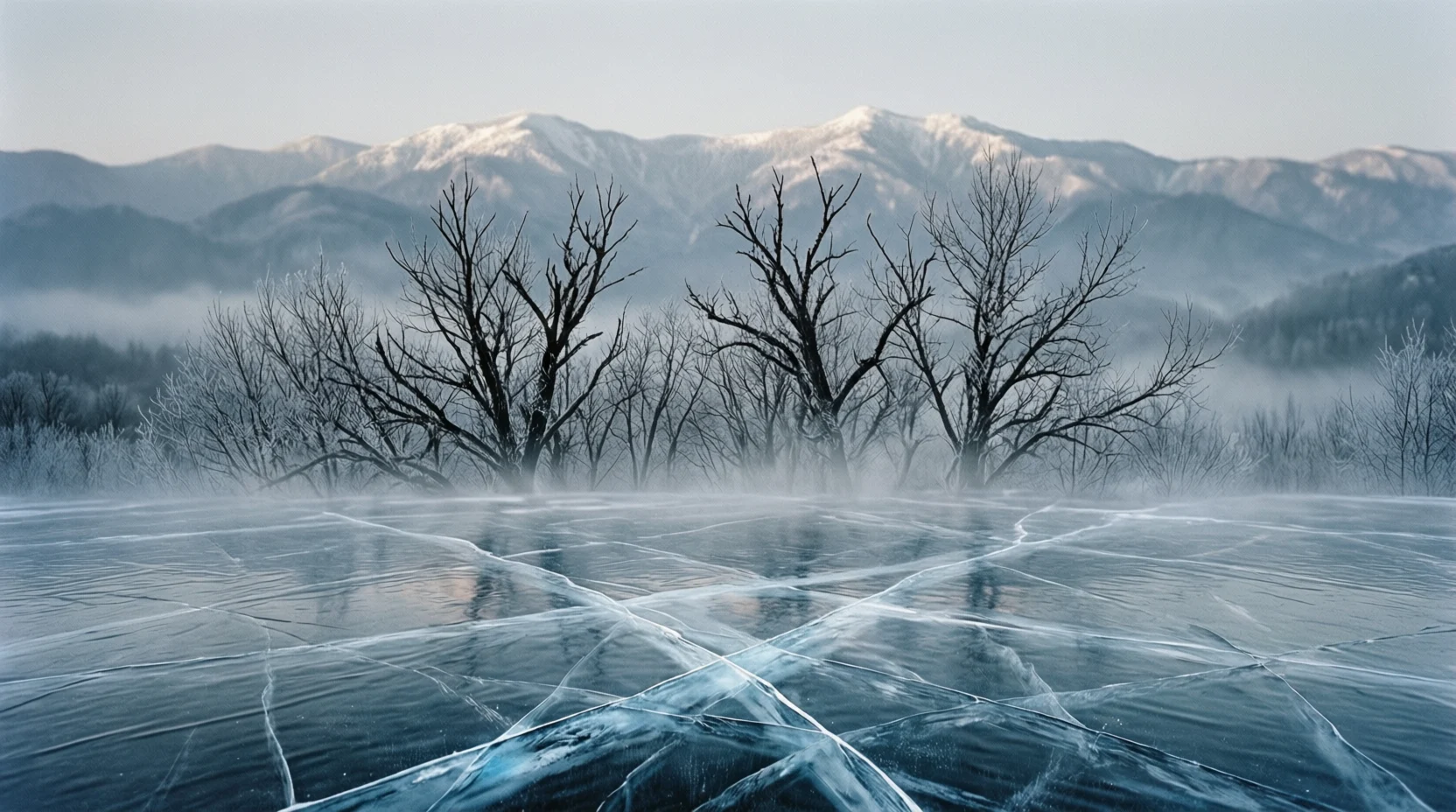
I’ve always felt that winter is more than just a season it’s a feeling. I remember one winter morning when the world outside my window looked frozen in time. The air was sharp, the sky was pale, and everything felt slower, quieter.
I wrapped myself in a blanket, not just to fight the cold, but to protect myself from the heaviness that winter sometimes brings. In that moment, winter felt like a long pause, as if life had pressed a temporary stop button.
That’s when I realized why we use metaphors for winter. Winter isn’t only about snow and cold winds; it often represents loneliness, struggle, endings, or emotional distance.
I’ve felt winter inside me too during times when motivation faded, hope felt far away, and even small tasks felt heavy.
Describing winter through metaphors helps us express those deep, silent emotions that plain words can’t always capture.
When we say winter is a locked door, a silent teacher, or a fading light, we’re really talking about human experiences.
In this article, I’ll share powerful metaphors for winter that turn this cold season into something meaningful, relatable, and emotionally real.
20 Metaphors for Winter
| Metaphor | Meaning | Explanation | Examples |
|---|---|---|---|
| 1. Winter of the soul | A period of sadness or hardship | Like the cold, harsh season, it represents emotional struggle. | 1. After losing his job, he went through a winter of the soul. 2. That winter of the soul taught her resilience. |
| 2. Frosty silence | Tension or coldness in relationships | Silence that feels as cold and sharp as frost. | 1. A frosty silence settled between them after the argument. 2. The room had a frosty silence when the boss walked in. |
| 3. Frozen heart | Emotional numbness or detachment | Emotions are “frozen,” unable to feel warmth. | 1. After the betrayal, she had a frozen heart. 2. His frozen heart kept him from trusting anyone. |
| 4. Snowed under | Overwhelmed or overloaded | Like being buried under snow, overwhelmed by tasks. | 1. I’m snowed under with work this week. 2. She was snowed under by all the new responsibilities. |
| 5. Cold snap | Sudden challenge or difficulty | A brief, intense period of hardship, like a sharp cold wave. | 1. The company faced a cold snap after the market crash. 2. His mood turned into a cold snap after the news. |
| 6. Winter winds | Life’s challenges or struggles | Winds of winter symbolize obstacles and tough times. | 1. Winter winds tested their patience. 2. She faced the winter winds of life with courage. |
| 7. Hibernation period | Time of rest, reflection, or inactivity | Like animals hibernate, people retreat to rejuvenate. | 1. I’m in a hibernation period, avoiding social media for a while. 2. The project went into a hibernation period during budget cuts. |
| 8. Icebound | Feeling stuck or trapped | Frozen or immobile, unable to move forward. | 1. His career felt icebound for years. 2. She was icebound in indecision. |
| 9. White blanket | Peaceful stillness or calm | Snow covering everything, symbolizing quiet and calm. | 1. The mountains were covered with a white blanket of snow. 2. The morning felt like a white blanket over the town. |
| 10. Frost on the window | Fragility or delicate beauty | Frost patterns symbolize transient beauty or coldness. | 1. The frost on the window reminded her of fragile memories. 2. Frost on the window mirrored his delicate mood. |
| 11. Winter chill | Emotional coldness or distance | Cold air as a metaphor for detachment or fear. | 1. A winter chill crept into their conversation. 2. He felt a winter chill when she ignored him. |
| 12. Icy path | Difficult journey or decision | Walking on ice is risky, representing challenges. | 1. Choosing the right college felt like an icy path. 2. The negotiations were an icy path to success. |
| 13. Snowdrift of memories | Past events piling up | Memories accumulating like snow in drifts. | 1. She found herself in a snowdrift of memories. 2. A snowdrift of memories came back as he cleaned the attic. |
| 14. Frozen time | Feeling stuck in a moment | Time feels suspended, like ice stopping motion. | 1. During the funeral, everything felt like frozen time. 2. Their last conversation felt like frozen time in his mind. |
| 15. Winter veil | Concealment or mystery | Like snow or fog hiding details, mystery or uncertainty. | 1. The truth was hidden behind a winter veil. 2. Winter veils masked the town in secrecy. |
| 16. Chilling winds of doubt | Fear or uncertainty | Cold winds represent mental hesitation or anxiety. | 1. Chilling winds of doubt made her second-guess the decision. 2. He faced the chilling winds of doubt before the interview. |
| 17. Frostbitten dreams | Dreams or hopes ruined | Dreams damaged or frozen like frostbite. | 1. The rejection letter left his frostbitten dreams behind. 2. Frostbitten dreams haunted her ambitions. |
| 18. Snow-laden sky | Heavy burden or responsibility | Snow-laden clouds symbolize weight or stress. | 1. He carried a snow-laden sky of responsibilities at work. 2. The snow-laden sky reflected her worried thoughts. |
| 19. Winter’s embrace | Acceptance of hardship or stillness | Embracing challenges or quiet moments, like the calm of winter. | 1. She accepted winter’s embrace during tough times. 2. Winter’s embrace taught him patience. |
| 20. Icicle of truth | Harsh, cutting reality | Truth is cold and sharp, like an icicle. | 1. The letter was an icicle of truth he couldn’t ignore. 2. Facing her mistakes was like an icicle of truth piercing her. |
Practical Exercise: Using Winter Metaphors
Instructions: Fill in the blanks using the correct metaphor from the list above. Answers are provided after each question.
- After the breakup, he felt like he had a ________.
Answer: frozen heart - I can’t take on more work—I’m completely ________.
Answer: snowed under - The challenge was sudden and intense, like a ________.
Answer: cold snap - She needed time alone, a true ________ to recharge.
Answer: hibernation period - The mountains were covered with a ________, making everything quiet.
Answer: white blanket - Memories of childhood came back like a ________.
Answer: snowdrift of memories - He faced the truth, feeling an ________ in his heart.
Answer: icicle of truth - The difficult decision felt like walking on an ________.
Answer: icy path - Her hopes were crushed by rejection, leaving ________.
Answer: frostbitten dreams - Life’s hardships were harsh, but she learned to accept ________.
Answer: winter’s embrace
Conclusion
Winter is more than just a season it’s a rich metaphor for life’s challenges, stillness, and reflection. From frozen hearts to frostbitten dreams, these metaphors help us express complex emotions with clarity and impact.
The next time you feel stuck, sad, or reflective, think about winter. Its metaphors can turn your experiences into vivid, relatable expressions that speak to ever.