I still remember the first time I noticed how often I used animals to explain people and emotions. I was talking to a friend, trying to describe someone who was brave but quiet, and without thinking, I said, “He’s like a lion that doesn’t need to roar.
” That’s when it clicked for me animals make our thoughts clearer, stronger, and easier to feel.
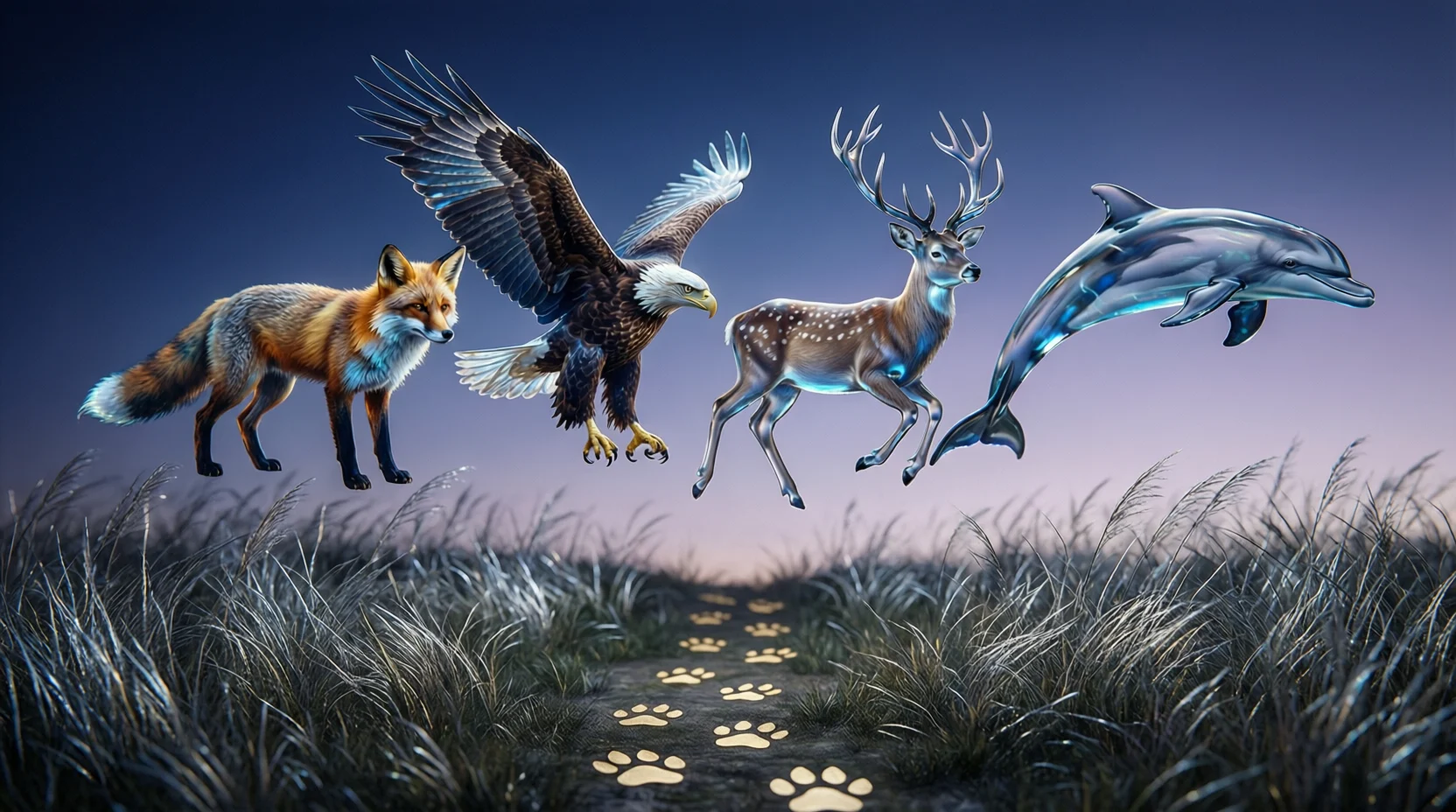
Whenever I struggle to explain human behavior, I turn to a metaphor for animals. Animals naturally carry meaning with them. A fox instantly suggests cleverness, a turtle patience, a wolf loyalty, and a snake danger.
I’ve used these metaphors in conversations, writing, and even self-reflection, because they say more in one line than a long explanation ever could.
What I love most is how animal metaphors connect us. No matter where we’re from, we understand them instinctively. I’ve learned that when words feel limited, animals step in and speak for us.
In this guide, I’ll share powerful metaphors for animals, what they really mean, and how you can use them naturally in everyday language.
20 Metaphors for Animals
1. He’s a lion on the battlefield
- Meaning: A very brave person
- Explanation: Lions symbolize courage and strength
- Examples:
- He was a lion on the battlefield, never backing down.
- She became a lion when her family was threatened.
2. She’s a busy bee
- Meaning: Someone who works constantly
- Explanation: Bees are always active and productive
- Examples:
- She’s a busy bee at the office all day.
- As a busy bee, he finishes tasks before deadlines.
3. He’s a snake in the grass
- Meaning: A deceitful or dangerous person
- Explanation: Snakes hide and strike unexpectedly
- Examples:
- Be careful—he’s a snake in the grass.
- The betrayal revealed him as a snake in the grass.
4. She’s a night owl
- Meaning: Someone active late at night
- Explanation: Owls are nocturnal animals
- Examples:
- She’s a night owl who works best after midnight.
- As a night owl, mornings are hard for him.
5. He’s a lone wolf
- Meaning: Someone who prefers independence
- Explanation: Wolves often symbolize solitude
- Examples:
- He’s a lone wolf who avoids teamwork.
- As a lone wolf, she makes her own rules.
6. She’s a social butterfly
- Meaning: A very social person
- Explanation: Butterflies move freely from place to place
- Examples:
- She’s a social butterfly at every event.
- His social butterfly nature makes him popular.
7. He’s a stubborn mule
- Meaning: Extremely stubborn person
- Explanation: Mules are known for refusing to move
- Examples:
- He’s a stubborn mule who won’t change his mind.
- Don’t argue—she’s a stubborn mule.
8. She’s a gentle lamb
- Meaning: Innocent or kind person
- Explanation: Lambs symbolize gentleness
- Examples:
- She’s a gentle lamb in a harsh world.
- His gentle lamb personality comforts others.
9. He’s a workhorse
- Meaning: Someone who works very hard
- Explanation: Workhorses carry heavy loads consistently
- Examples:
- He’s the workhorse of the team.
- As a workhorse, she never complains.
10. She’s a sly fox
- Meaning: A clever or cunning person
- Explanation: Foxes symbolize intelligence and trickery
- Examples:
- She’s a sly fox in negotiations.
- The sly fox always finds a way out.
11. He’s a paper tiger
- Meaning: Someone who seems strong but isn’t
- Explanation: Tigers symbolize power—paper removes it
- Examples:
- His threats proved he was a paper tiger.
- The boss was just a paper tiger.
12. She’s a proud peacock
- Meaning: Someone who shows off
- Explanation: Peacocks display their feathers proudly
- Examples:
- She walked in like a proud peacock.
- His proud peacock attitude annoyed others.
13. He’s a scared rabbit
- Meaning: A fearful person
- Explanation: Rabbits flee quickly from danger
- Examples:
- He ran away like a scared rabbit.
- Don’t be a scared rabbit—face it.
14. She’s a hawk-eyed observer
- Meaning: Very observant person
- Explanation: Hawks have sharp vision
- Examples:
- She’s hawk-eyed when spotting mistakes.
- A hawk-eyed editor caught the error.
15. He’s a fish out of water
- Meaning: Someone uncomfortable in a situation
- Explanation: Fish can’t survive outside water
- Examples:
- He felt like a fish out of water at the party.
- New interns often feel like fish out of water.
16. She’s a mother hen
- Meaning: Overprotective person
- Explanation: Hens constantly guard their chicks
- Examples:
- She’s a mother hen with her team.
- His mother hen behavior smothered them.
17. He’s a bull in a china shop
- Meaning: Careless or rough person
- Explanation: Bulls cause destruction in delicate places
- Examples:
- He handled the issue like a bull in a china shop.
- Don’t be a bull in a china shop here.
18. She’s a quiet mouse
- Meaning: Very shy person
- Explanation: Mice move silently and hide
- Examples:
- She’s a quiet mouse in meetings.
- The quiet mouse surprised everyone later.
19. He’s an eagle among sparrows
- Meaning: Outstanding individual
- Explanation: Eagles symbolize greatness and vision
- Examples:
- He stood like an eagle among sparrows.
- Her talent made her an eagle among sparrows.
20. She’s a chameleon
- Meaning: Someone who adapts easily
- Explanation: Chameleons change color to adapt
- Examples:
- She’s a chameleon in social settings.
- His chameleon nature helped him survive.
Practical Exercise: Test Yourself
Fill in the blanks. Answers are below each question.
- Someone brave in danger is a ________.
Answer: lion - A very hardworking person is a ________.
Answer: workhorse - Someone shy can be called a ________.
Answer: quiet mouse - A deceitful person is a ________.
Answer: snake in the grass - Someone social is a ________.
Answer: social butterfly - A stubborn person is a ________.
Answer: stubborn mule - Someone adaptable is a ________.
Answer: chameleon - A careless person is a ________.
Answer: bull in a china shop - Someone who works late is a ________.
Answer: night owl - A person who shows off is a ________.
Answer: proud peacock
Conclusion
Animal metaphors turn ordinary language into something vivid and memorable. They help us explain personality, behavior, and emotions without long explanations.
Once you start noticing them, you’ll realize they’re everywhere quietly shaping how we speak, just like sand shaping the shoreline over time.
Use these metaphors naturally, and your writing will feel more alive, more human, and more powerful.